You can pay medical bills with a credit card, and in fact 54% of consumers in a recent Experian survey say they prefer to pay for medical services this way—but there are other options that typically make more financial sense.
Can the IRS come after you for medical bills?
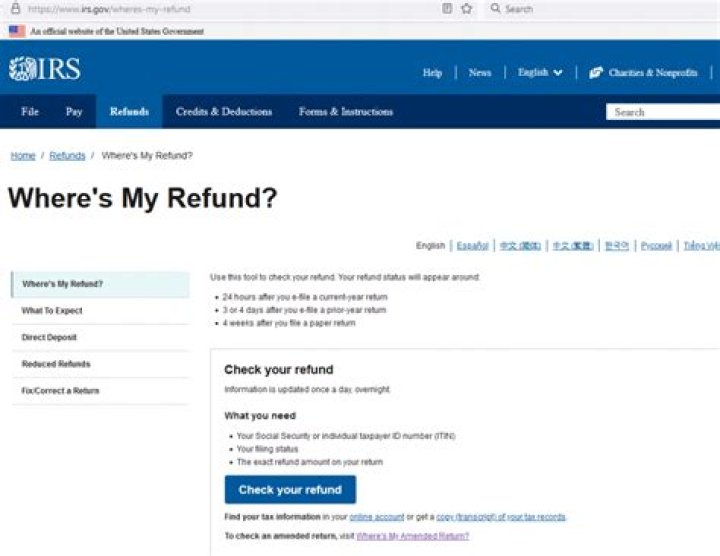
Hospitals cannot legally intercept your tax refund. That being said, it is possible for hospitals to garnish your accounts in the event of unpaid bills. Therefore, if you have your tax refund deposited directly to your account, the money can be taken to satisfy your debts.
Can I claim unpaid hospital bills on my taxes?
Can I deduct medical expenses that I have not paid for but have been billed? Unfortunately, you cannot. You can deduct only medical expenses that you actually paid for (even if paid through credit card) but not billed.
Are medical expenses paid by credit card deductible?
The IRS does allow you to deduct medical expenses paid with loan funds; and the IRS also allows you to deduct medical expenses paid with credit card transactions. If you use a credit card or a loan to pay your medical expenses, the expenses are considered paid when the provider is paid.
What happens to your credit if you have a medical bill?
But even with otherwise pristine credit, the unpaid medical debt can stop you from receiving the best options on new loans, costing you extra money in interest. Avoid negative consequences to your credit by taking care of medical debt as soon as you receive the bill.
What happens when a medical bill goes into collections?
Medical Debt Collections. If you take no action to resolve your medical debt, the bill will go into collections. Medical debt collections are incredibly common. The Consumer Financial Protection Bureau said that in 2014 more than 43 million Americans had medical debt in collections that was affecting their credit score.
What happens when a medical debt is transferred to a credit card?
Medical debts rarely charge any interest. Also, once the debt is transferred from medical to credit card, the protections afforded consumers for medical debts are wiped out. The debt becomes solely credit card debt.
Who is responsible for paying a hospital debt?
The agreement must ensure that the individual does not pay, and has no obligation to pay, the debt purchaser and the hospital facility together more than he or she is personally responsible for paying as a FAP-eligible individual.